
Our students come from a wide range of cultures, backgrounds, and regions around the world, yet they share something essential. Each has a deep commitment to lifelong learning and a genuine desire for personal growth. They are individuals who are willing to challenge themselves, ask difficult questions, and step forward with courage. At the same time, they share a strong sense of purpose-to develop as leaders and contribute to a more humanistic, compassionate, and thoughtful world.

is an intern with the congressional black caucus in the US House of Representatives, a published writer, and a recipient of the Philip Jacob Peace Memorial Award for her undergraduate thesis on race and peacebuilding. A graduate of the University of Hawai’i at Manoa with a Global Human Rights Certification from Penn Carey Law, she plans to pursue a career in law and public service focused on racial justice and systemic reform.

is a student in Peace and Conflict Studies at World Peace University in Pune, whose leadership has emerged from lived experience with community trauma and systemic injustice. Witnessing unrest in her village, she came to see peace not as a given, but as a responsibility, and now aspires to become a grassroots reconciliation worker dedicated to healing divided communities.

is a writer and engineer who transformed the loss of family stability into a calling to lead with integrity and teach others through creative expression. A graduate of the University of Lagos, she plans to pursue a career that bridges technology, ethics, and education. Her character reveals a rare combination of philosophical depth and real-world grit, shaped by personal struggle and a refusal to compromise her values.

is CEO of Local Hands, Global Heart, a nonprofit that has supported over 25,000 individuals globally across five continents, and a current Trustee with the National 4-H Council. His work with the U.N. & various NGOs has helped shape young people into global leaders. He studies Global Affairs at the University of Notre Dame and plans to advance in a career supporting youth & Individuals through equity, education, and hands-on work. Amid many accomplishments, what sets him apart is a quiet humility and a deep commitment to becoming a more grounded and principled leader.

is a Bachelor of Business Administration student at the University of the People and co-founder of a children’s ministry that serves over 200 youth each week. She teaches French and English to children in underserved communities and, with quiet sincerity and selfless dedication, aspires to build inclusive, values-based spaces for learning, healing, and growth. Gentle and sincere, she also carries a quiet strength that leaves a lasting impact.
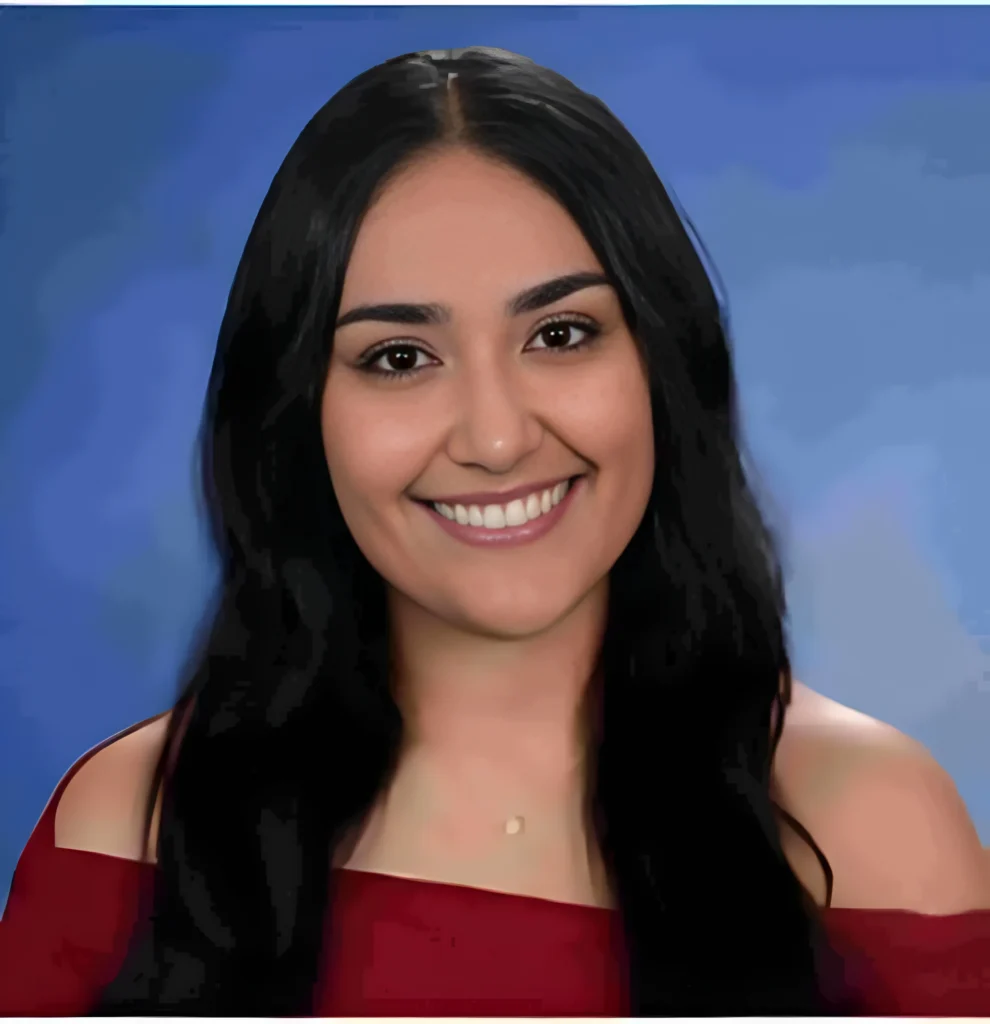
is a global education facilitator and Notre Dame graduate who has worked in Italy, Portugal, Guatemala, and, most recently, in El Salvador as a CISV program leader to foster cross-cultural dialogue and promote youth resilience. She hopes to continue this work through a career in global peacebuilding and education.
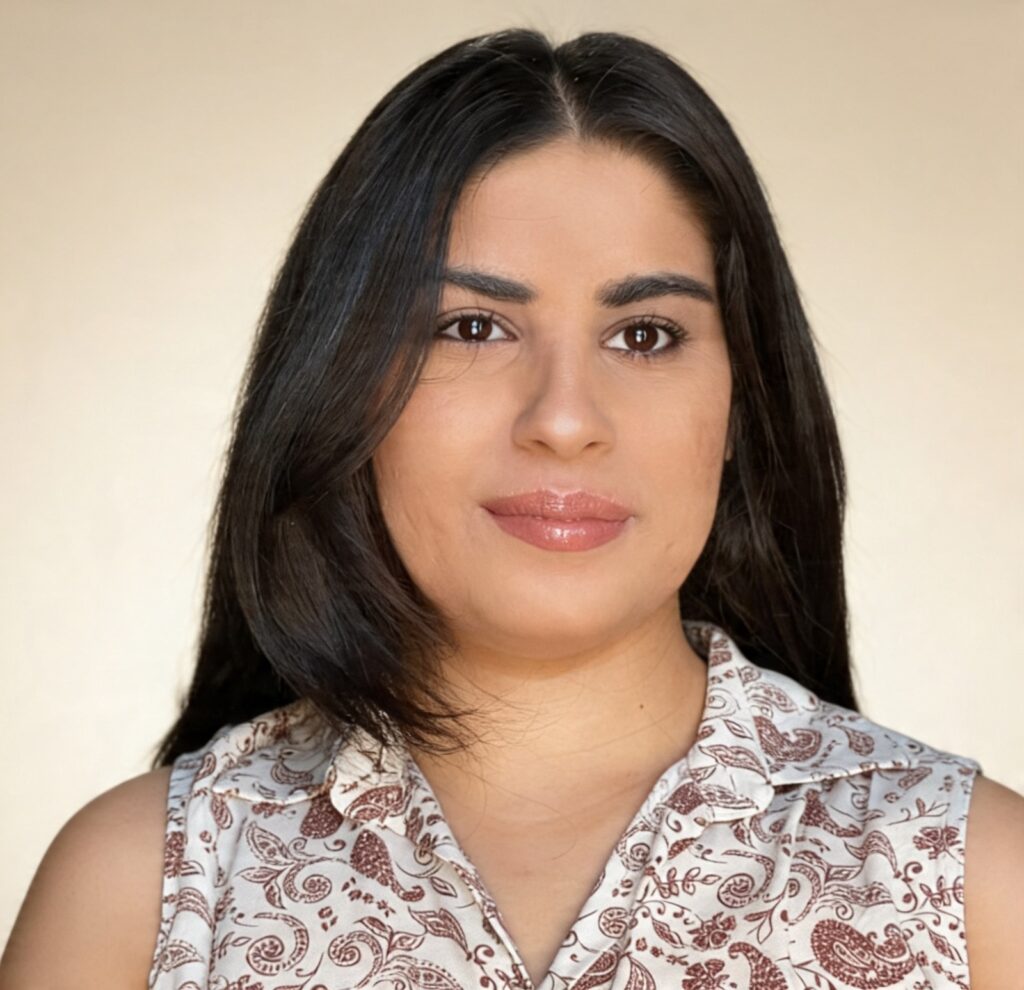
Shada Shamma is an aspiring educator and dialogue facilitator studying English Education at the Arab Academic College of Education. Fluent in Arabic, Hebrew, and English, she contributes to dialogue-based programs with Middle Meets, a grassroots initiative that fosters sustained Jewish-Palestinian engagement. As a Palestinian citizen of Israel, she brings intellectual openness, civic responsibility, and moral commitment to building bridges across identities and advancing meaningful dialogue and mutual understanding.

is an award-winning journalist and editor whose work spans investigative reporting, community journalism, global technology, and finance. A licensed agriculturist, journalism fellow of Rappler’s Aries Rufo Journalism Workshop, and cum laude graduate of Aklan State University, she uses storytelling to strengthen democratic culture. She aspires to become an educator advancing agricultural education and press freedom across her generation.
Support the Arete Youth Academy through your donor-advised fund or by including us in your will or estate plan.
To recommend a grant through your DAF (e.g., Fidelity, Schwab, Vanguard), direct it to:
Agora Productions, Inc.
EIN: 20-8516833
Please note “Arete Youth Academy” in the designation.
To make a planned gift, you can help ensure that future generations benefit from an education grounded in peace, dialogue, and global citizenship.
We’re happy to work with you and your advisor to make the process simple and meaningful.
Contact: AreteGiving@AgoraProductions.org
Many employers match donations made to Agora Productions, Inc.—the nonprofit home of Arete Youth Academy. It’s a simple way to amplify your impact and support transformative education for emerging global leaders. Just enter your company name in the popup window to the right and follow the steps to submit your match request.
If your company or institution is interested in supporting AYA in other ways, such as partnerships, grants, visibility opportunities, co-branded materials, or speaking engagements with our founders or advisors, we’d love to hear from you. Please contact us at AreteGiving@AgoraProductions.org to explore meaningful collaboration.
We welcome donations by check, bank transfer (ACH), wire, or appreciated securities.
To donate by check:
Please make checks payable to:
Agora Productions, Inc.
Memo: Arete Youth Academy (or “Bill Taylor Scholarship Fund” if applicable)
Mail to:
Arete Youth Academy
c/o Agora Productions, Inc.
P.O. Box 452688
Los Angeles, CA 90045
To donate by bank transfer (ACH):
For larger or recurring donations, ACH is a secure and cost-effective option.
Simply select “Bank” as your payment method on our donation page and follow the step-by-step process.
To donate by stock, wire, or securities transfer:
We gladly accept gifts of appreciated assets.
Please contact us directly for transfer instructions:
AreteGiving@AgoraProductions.org
Click here to visit our Arete Youth Academy Fundraising Page on Facebook.
Hit “Share” to share it with your friends on Facebook to multiply your donation and help us reach more supporters.
Bill Taylor was the visionary founder of the original Arete West program, which ran from 1979 to 2017. Over the course of 40 years, he personally led students on 20 transformative journeys across the globe, inspiring hundreds of young people to pursue wisdom, leadership, and compassionate service. His encouragement helped spark the creation of the Arete Youth Academy, which carries forward his mission to empower youth through education. This scholarship fund ensures his legacy continues to shape future generations.
To designate your gift:
1. Visit our donation page.
2. Enter your donation amount and choose the “Give in honor or in memory of someone” option.
3. In the “Honoree’s Name” field, type “Bill Taylor Scholarship Fund”
Gifts to the Bill Taylor Scholarship Fund will be used to provide tuition support for one or more participants in each cohort—extending Bill’s spirit of mentorship and service to future generations.
We’ll send a personalized message to your honoree or their family, letting them know how their influence continues to empower youth through Arete.
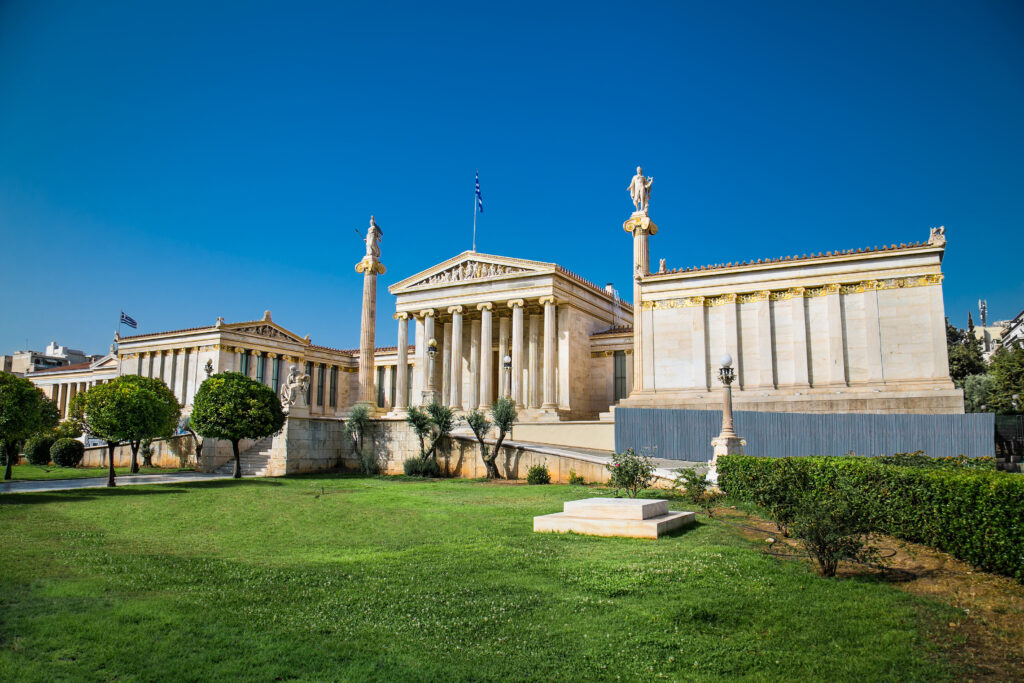
In Greece, students will walk in the footsteps of the world’s first philosophers—tracing the origins of inquiry, democracy, and the examined life. Standing in the Agora, where Socrates engaged young Athenians in fearless dialogue about virtue and truth, participants will reflect on how authentic conversation remains the heartbeat of human progress. Visits to the Parthenon, the Acropolis Museum, and the ruins of Aristotle’s Lyceum will anchor discussions on the birth of reason and the moral responsibilities of free thought. Key readings will include selections from Plato’s Apology and Republic, Pericles’ Funeral Oration, and Constantine Cavafy’s timeless poem Ithaka, urging travelers to cherish the inner journey as much as the destination. Students will also explore Aristotle’s Nicomachean Ethics, reflecting on his vision of “eudaimonia”—a flourishing life achieved through virtue and self-mastery—and its relevance to modern global citizenship.